Why Men Need to Move More Than Ever

Challenges of the Male Body
As you know, men once lived in a world where strength, movement, hunting, and gathering were part of daily life. Today, things look very different. With technological advancements making life easier, is it possible that many men have unintentionally become more sedentary? And could this shift be linked to rising rates of heart disease, obesity, type 2 diabetes, mental health challenges, and osteoporosis?
Could it be that life has become so convenient that a large number of men now move less, feel less motivated, and slowly develop what many jokingly call “man-babies” or big bellies? And as you already know, big bellies come with big risks.

Men are naturally built to move. We’re designed to be strong, active, and capable. But is it possible that modern life, stress, and confusing fitness information online have led some men to lose that natural drive? And if so, how do you take your power back?
In this article, we explore what exercise can truly do for men physically and mentally, and why it remains one of the most powerful tools for lifelong health.
What Exercise Can Do for You

Develop Confident, Mentally and Physically Strong Kids and Teenagers
You’ve likely heard the old belief that kids shouldn’t strength train because it’s unsafe or might “damage their growth plates.” That belief has been around for decades. However, many sports associations and experts now show that safe, supervised strength training can be incredibly beneficial for kids.
What if you considered getting your kids involved in resistance training? Is it possible that building strong muscles and bones early on will help them withstand the demands of high-impact sports like rugby, martial arts, or gymnastics? And could stronger muscles and bones mean a reduced chance of injury?
Strength training also builds mental resilience. As kids learn to work hard, lift safely, and achieve small wins, they’re likely to develop stronger confidence as they grow. This could help protect them from becoming inactive, obese or unhealthy in later years.
Working with an Exercise Professional who specialises in training kids ensures proper technique, guidance, and progress - keeping things safe, enjoyable, and effective.
Reduce Your Risk of the Biggest Killer Diseases
Type 2 diabetes is becoming one of the biggest health threats among men. In countries like New Zealand, billions are spent every year on treating it - showing just how serious the issue has become.
What if you considered performing regular high-intensity cardiovascular exercise to improve fitness? Experts have found that exercise can significantly improve blood glucose control in men with type 2 diabetes, and in some cases even help reverse the condition within months.

A strong heart pumps more oxygen, vitamins, minerals, phytochemicals, and antioxidants throughout the body. A fit heart also beats more efficiently, lowering resting heart rate and reducing blood pressure because less force is needed to move blood through the arteries.
Is it possible that a fit, strong body is far less likely to face the biggest killers like cardiovascular disease, obesity, and type 2 diabetes? And would you rather enter your future fit and capable, or unfit and at risk?
Be Strong and Lean
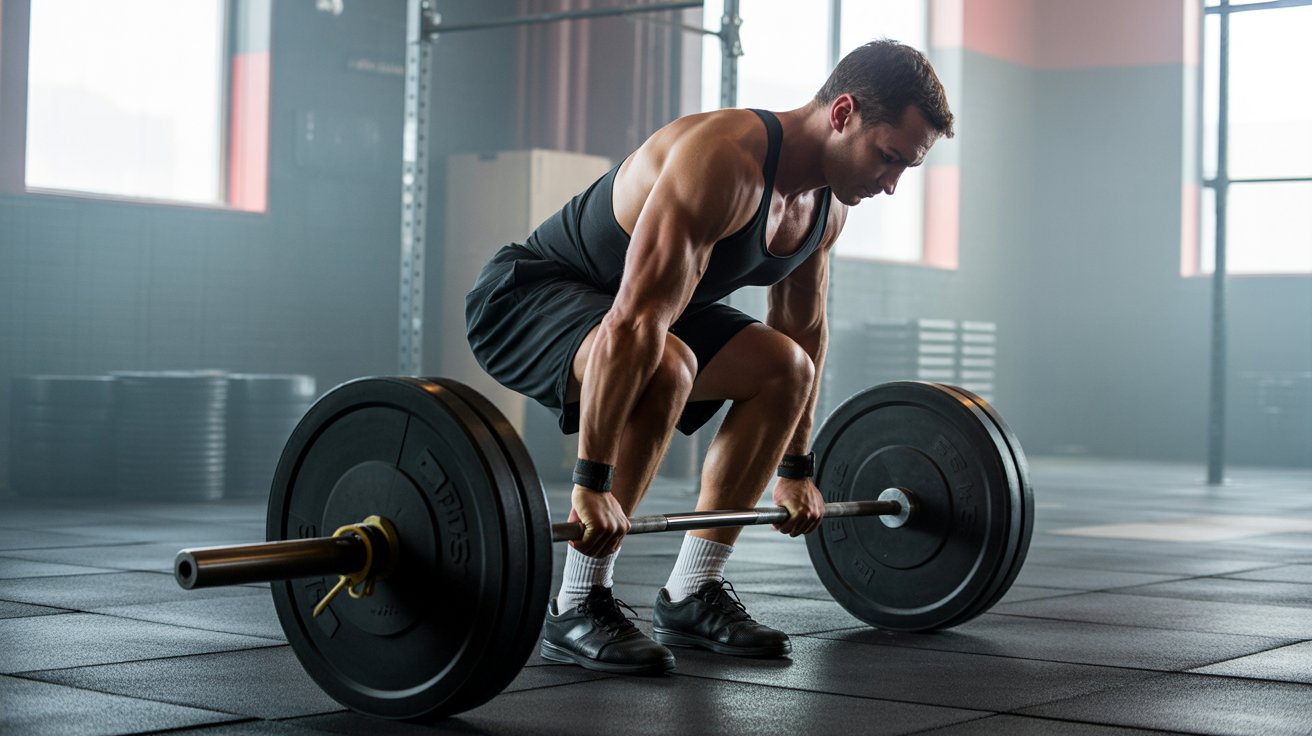
After the age of 20, men can begin losing up to 500 grams of muscle each year if they don’t actively maintain it.
What if you considered lifting weights to overload your muscles? Is it possible that strength training helps prevent muscle wastage, builds stronger bones, and increases the amount of muscle mass you carry?
More muscle means a faster metabolism. Think of muscle like the engine of a car - the bigger the engine, the more fuel it burns. More muscle equals more calories burned, even when you’re not moving.
Improved Sex Life
Erectile dysfunction is often linked to poor blood flow - and poor blood flow is heavily tied to major health conditions like obesity, type 2 diabetes, and cardiovascular disease.
Because exercise improves heart health, circulation, and blood oxygenation, strengthening the body can also enhance reproductive health.
What if getting fit and strong helped increase blood flow where you want it most? Could that translate to better performance and greater confidence?

Increased Confidence, Self-Esteem, and Body Image
Seeing big, shredded men in gyms or online can make it easy to compare yourself, feel discouraged, or believe you’ll never measure up.
But what if you focused only on yourself and what’s realistically achievable for your own body?
Men have three main genetic body types:
- Ectomorphs (naturally slim, harder to gain muscle)
- Endomorphs (larger frame, gain fat easily)
- Mesomorphs (naturally muscular, respond fast to weights)
Understanding your body type can help you approach your goals more realistically. Comparison becomes less relevant when you know your own biology.
Ask yourself these four questions:
- Do you feel energetic all day?
- Are you performing mentally and physically at your best?
- Do you like what you see in a full-length mirror?
- Are you getting results from your exercise and eating?
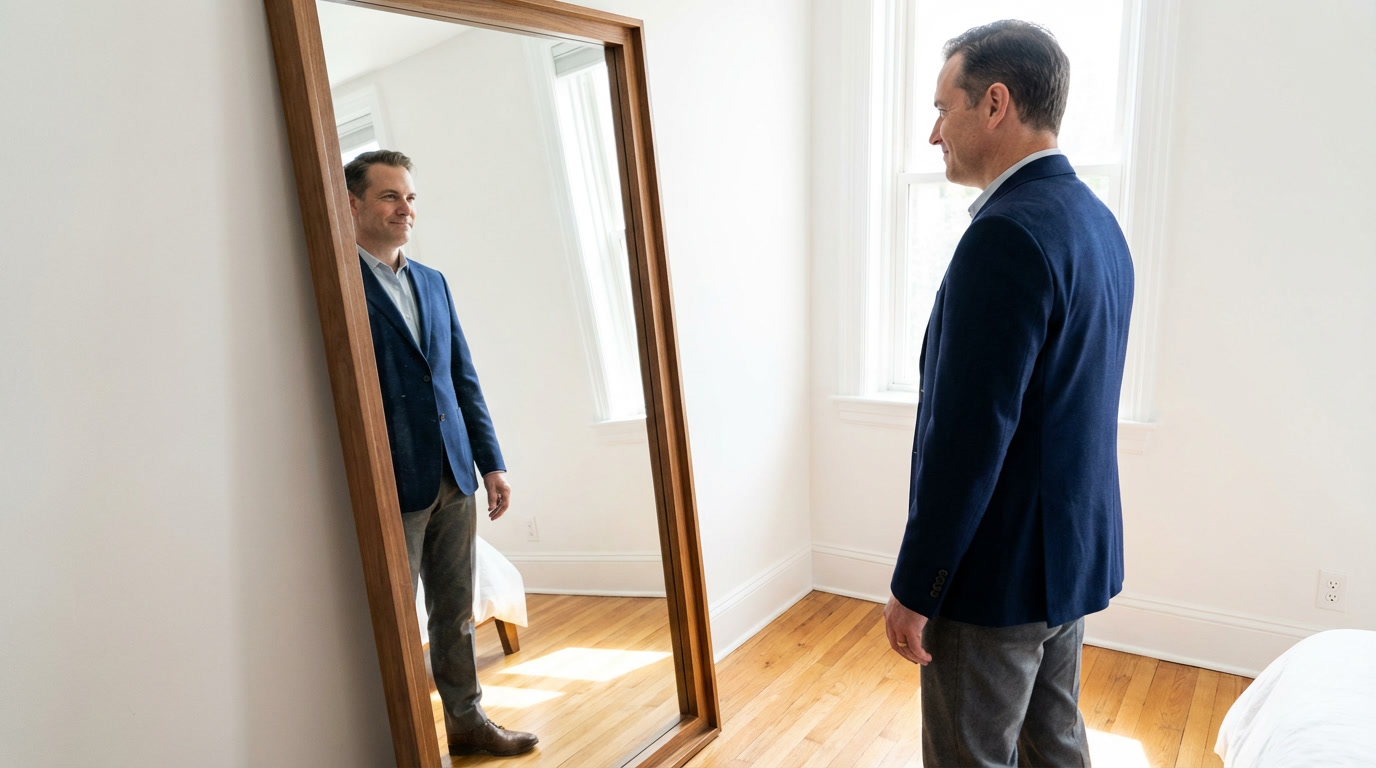
If the answer to any question is no, what small steps can you take today to start moving toward a yes?
When you lift heavy and get puffed consistently, you become leaner, fitter, and stronger - and as your results show up in the mirror and in your energy levels, your confidence naturally grows.
Reduce Injury With Safe Exercise Selection
Joint pain, tendon issues, ligament problems, and arthritis are common concerns for many men. And in some cases, poor exercise selection is the reason.
To know whether an exercise is safe, it helps to understand what’s happening beneath the movement. Isolation exercises can sometimes place stress on joints or impinge tendons if performed incorrectly.
Choosing functional movements - exercises that match how the body is naturally designed to move - reduces injury risk and improves longevity.
For example, which movement looks more natural, upright sprinting or crawling on all fours? Which one can you safely do for years?
Safe technique, good posture, controlled movement, and smart exercise selection will protect your joints, bones, and ligaments long-term.
Big Exercises for Big Results
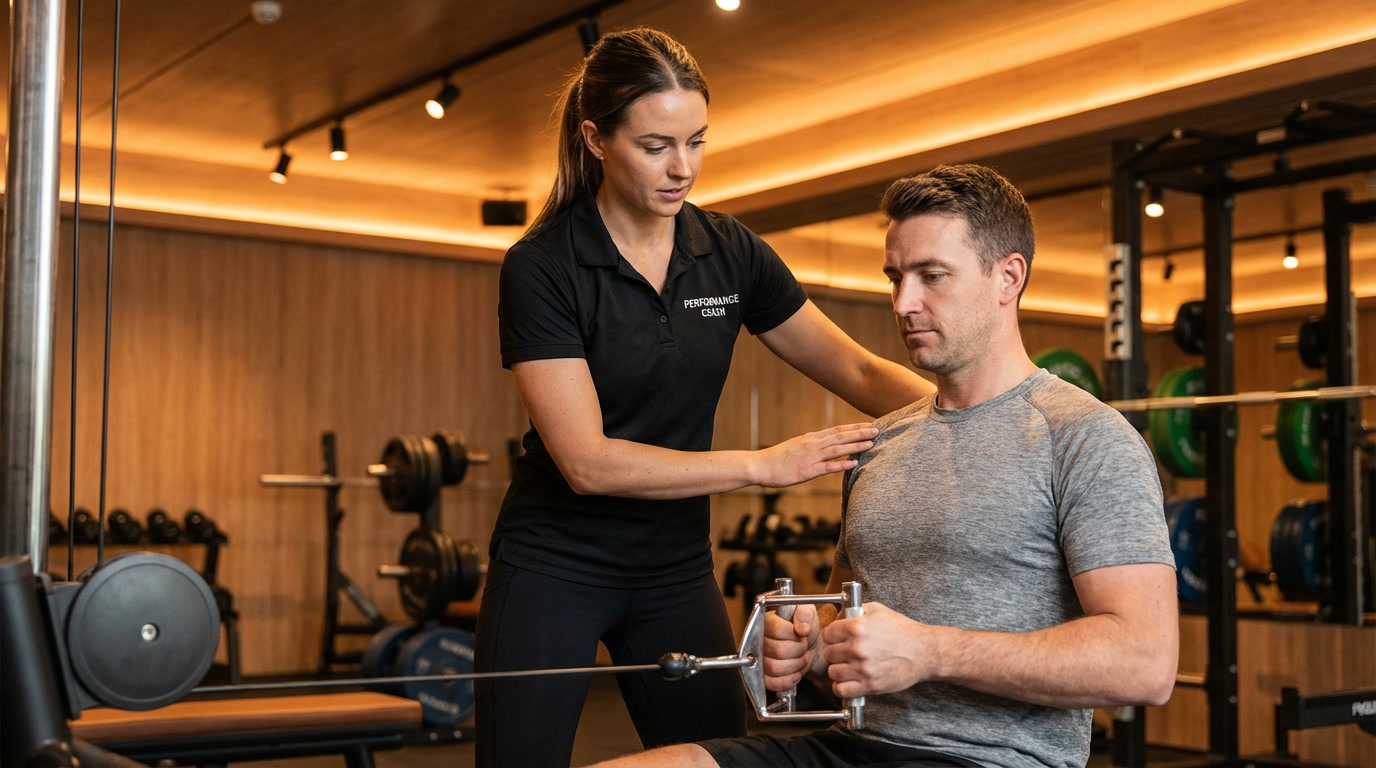
Compound exercises engage multiple muscle groups at once, giving greater results in less time. These include squats, pushups, and pullups.
The same principle applies to cardiovascular training. Which do you think works your heart and lungs harder - a slow jog or a hard, fast sprint?
What if you considered prioritising compound and functional exercises? Is it possible that doing so could help you achieve bigger, faster, and safer results?
Improve Mental Health and Be Happier
Men’s mental health challenges continue to rise in Australia. And while medication can help, many men also turn to alcohol or recreational drugs to cope.
Exercise, however, provides positive side effects only.
Just 10 seconds of intense sprinting can release four powerful chemicals into the brain:
- Dopamine (reward and motivation)
- Serotonin (happiness and mood stability)
- Endorphins (reduced pain and stress)
- BDNF (growth of new brain cells)
These chemicals help you feel happier, calmer, more focused, and mentally stronger. Exercising regularly can give your brain exactly what it needs to handle life better.
Help You Eat Better
When you lift heavy and get fit, your body naturally begins craving foods that help it perform.
Some experts suggest a simple guideline:
- Two-thirds of your plate from foods that come from the ground (fruits, vegetables, legumes, grains)
- One third from anything else you enjoy
Real food fuels your body, supports recovery, and helps you perform at your best mentally and physically.
What You Can Do to Become Mentally and Physically Fit and Strong
Strength Training and Building Muscle
Muscles cannot count - they only respond to effort.
Pick one exercise for each category:
Push: Pushups, Barbell or Dumbbell Bench Press, Dips
Pull: Chin-ups, Seated Rows, Dumbbell Rows
Legs: Squats, Lunges, Deadlifts
Choose a number between 8 and 158–15 repetitions. Select a weight that forces you to reach failure around that number. If you achieve the reps, increase the weight next time.
Aim to train each movement pattern once every 5–7 days. Muscles begin recovering roughly 48 hours after training, so more rest equals better recovery and faster progress.
How to Get Fit
Warm up by jogging lightly for 3–5 minutes.
Then choose one cardio movement:
- Sprinting (on the spot, outside or treadmill)
- Jump squats
- Boxing
Go as hard and fast as you can until you’re out of breath. Rest until your breath returns. Repeat for as many rounds as you can. Over time, increase your sprint duration, keeping work periods under two minutes.
Final Message
Happy lifting and happy puffing.
At VibeTribe Fitness my mission is to help every client build longevity by becoming healthy, fit, and strong for a lifetime.
Written by:
JP Mac Pherson
Founder & Head Exercise Coach, VibeTribe Fitness
Training in Perth and want real support?
If you’re local and looking for a supportive way to build strength, fitness, and consistency, VibeTribe Fitness offers group training focused on community, movement, and long-term results.