Exercise: The Most Powerful Medicine We Have

Today, more people are being affected by conditions like Type 2 diabetes, obesity, osteoporosis, cardiovascular disease and mental health challenges. Many families have lost loved ones to these illnesses.

Is it possible that a lot of these conditions could be reduced or delayed through simple lifestyle changes?
If so, what is something easy enough you could do every day to support a longer, healthier and stronger life?
Could regular movement be one of the most powerful answers?
Experts suggest that exercise has a profound effect on almost every system in the body. If you’ve ever wondered what those effects might be, here’s a deeper look.

Your Brain on Exercise
Mental health concerns are rising globally and in Australia. Anxiety and depression affect millions each year. Many people are prescribed medication, and for some it helps, although the side effects listed on the box aren’t always pleasant.
So it raises the question:
Is it possible that there’s a natural way to support better mood and mental strength without unwanted side effects?
Studies now show that when you exercise, your brain releases powerful chemicals often described as “feel-good hormones” or as I like to call it, "Happy-Drugs":
- Dopamine, which gives you a sense of reward
- Serotonin, which helps stabilise mood
- Endorphins, which reduce stress and discomfort
- BDNF, which protects memory and supports new brain cell growth
Could these be some of the reasons people feel happier, more energised and more mentally resilient after exercise?
And the surprising part is that it doesn’t take long. Even a short burst of movement, such as 10 seconds of fast sprinting on the spot, can help trigger these benefits.
Your Nervous System
An extension of the mind is the body’s central nervous system—the electrical circuit responsible for communication between systems of the body and moving parts of the body such as your muscles and bones.When you overload your heart, lungs, muscles, and bones by lifting weights and getting puffed, you fire up your central nervous system. This will result in the nervous system working more effectively and establish better communication between all systems of the body (systems working better together), especially your muscles and bones, by having an increased rate of firing. Your body will also become more adaptable to recover better and, as you now know, build mental toughness.

Your Hormonal System
Is it possible that many people today are experiencing hormonal challenges, especially women going through big shifts like menstrual cycles and menopause? Hormones influence mood, energy, fat storage, sleep and stress, so when they’re out of balance, life can feel a lot harder than it needs to be.
Being unfit, weak and unhealthy puts extra stress on the body and can disrupt the normal function of the hormonal system. When the body isn’t being challenged or supported through regular movement, the system simply doesn’t perform at its best.
So what happens when you are FIT, STRONG, HEALTHY and MENTALLY TOUGH instead?

When you SPRINT to get FIT and OVERLOAD your MUSCLES to get STRONG, you are challenging your central nervous system, heart, lungs, muscles and bones all at once. This kind of training stimulates powerful hormonal responses that:
- Release stored fat from fat cells
- Use that fat for energy
- Support better body composition and performance
In other words, your body starts functioning like a FAT BURNING MACHINE.
So now the question becomes: are your hormones running the show, or are YOU the one IN CONTROL OF YOUR HORMONES by the way you live, move, and train?
Your Metabolism
Is it possible that a slow metabolism is one of the reasons people gain weight easily and struggle to burn fat? A slow metabolism uses fewer calories, stores more fat, and is linked with conditions such as type 2 diabetes and obesity.
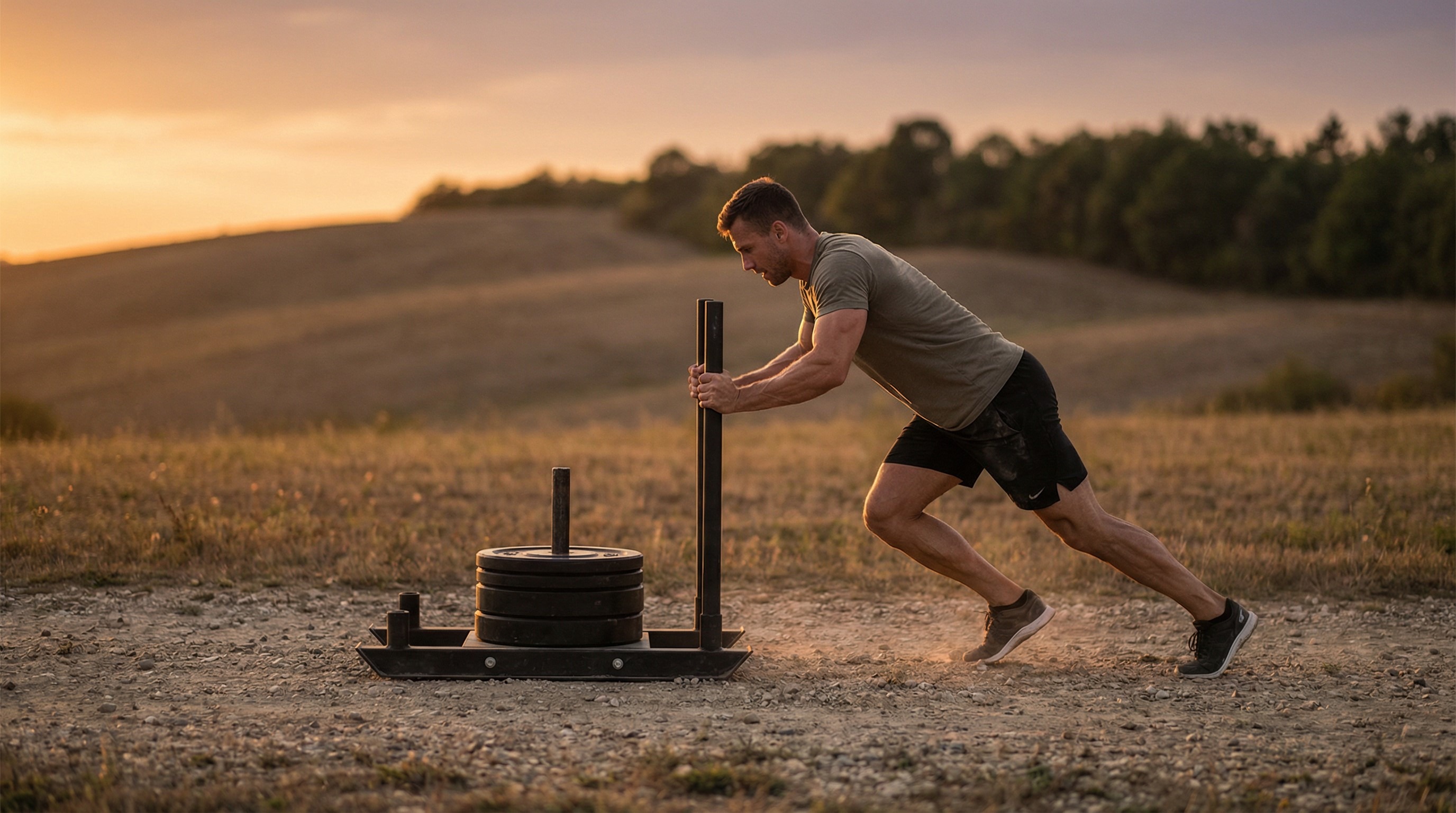
When you are HEALTHY, FIT, and STRONG, your metabolism functions at a much higher level. Overloading your muscles forces them to adapt and grow, and muscle tissue is the body’s main engine. The more muscle you have, the more calories you burn—even when resting.
When you sprint hard and fast and get puffed, your body increases the rate at which it burns calories. Over time, your system begins to prefer burning fat for energy instead of carbohydrates, which improves body composition and performance.
Being FIT and STRONG boosts the metabolism, supports fat loss, and creates a healthier, more energised version of you.
Your Heart & Lungs
A weak heart and weak lungs often lead to low energy, poor fitness, shortness of breath, and, over time, an increased risk of cardiovascular disease. These systems are vital for long-term health.
To avoid cardiovascular issues, your heart and lungs need to be challenged. When you perform high-effort cardiovascular exercise such as fast sprints and get your heart rate close to its maximum, your body begins pumping more oxygen, vitamins, minerals, phytochemicals, and antioxidants throughout the system.
As your fitness improves, your heart becomes stronger, your lungs become more efficient, and your resting heart rate drops because each beat pumps more blood than before. Exercise also helps lower blood pressure and supports cleaner arteries for better circulation.

Regular cardiovascular training builds a healthier heart and stronger lungs and reduces the risk of disease.
Your Digestive System
A lack of activity can slow the digestive system and influence eating habits. When people move less, digestion often becomes sluggish, and low-quality food choices follow.

Maintaining a healthy exercise routine by getting puffed and overloading your muscles supports the digestive process. People who move regularly tend to choose fuel that helps their body perform well. Many experts note that movement combined with high-quality foods encourages the digestive system to work more effectively and consistently.
Your Immune System
An unfit, unhealthy, and weak body is often paired with a weak immune system. A FIT and STRONG body, on the other hand, is more likely to have a strong immune system. Some people get sick often, while others rarely do—so what creates the difference?
Lack of movement, chronic stress, and poor recovery weaken the immune system. Exercise strengthens it. Overloading your muscles and improving your fitness increases the circulation of immune cells, improves the body’s ability to fight off foreign invaders, and enhances recovery speed.
A strong immune system is better equipped to create virus-fighting cells and respond quickly to new threats. Exercise also improves oxygen delivery and moves vitamins, minerals, phytochemicals and antioxidants through the body, all of which support immune strength.
With regular movement, proper hydration, good sleep, and nutrient-rich foods, the body stays in a state of EASE instead of DIS-EASE.

Your Muscles
“If you don’t use it, you’ll lose it.”
From age 20, the average person loses around one pound of muscle per year if they’re not using it. When muscles waste away, you burn fewer calories, become weaker, lose posture, and decrease your ability to stay warm and energized.

Muscles are the primary engine of the body, responsible for about 80% of the calories burned daily. When you overload your muscles, they adapt by growing stronger and more powerful.
Using as many muscles as possible at once and lifting heavy enough to challenge yourself helps your body recover with more muscle and more strength. Strong muscles also make high-intensity cardiovascular training safer and more effective.
Is it possible that choosing strong muscles over weak muscles will help you move faster, sprint harder, and become fitter overall? Absolutely.
Your Bones
Just like muscles, bones weaken over time if they aren’t exposed to stress. This can lead to osteoporosis, a condition where bone density decreases and fracture risk rises. Statistics show that about one-eighth of men and one-third of women over 60 are diagnosed with osteoporosis, and cases are appearing earlier in life.

Bones form the framework of the human body. They allow movement, protect organs, store minerals, and produce blood cells. Exercise is essential for bone health.
When you perform strength training and overload your muscles, you also place beneficial stress on your bones. This stimulates them to become denser and stronger. High-intensity exercise adds impact that further strengthens bone structure, because bones adapt to protect themselves—they do not like to break.
Strong bones mean fewer fractures, lower risk of osteoporosis, and a healthier, more capable body.
The Bigger Picture
People try many things to feel good, but some come with long-term side effects. Exercise isn’t one of them when it’s done safely. It supports every system of the human body without the hidden downsides that other habits or quick fixes can bring.
By eating well, getting puffed, and lifting to overload your muscles, you support your heart, lungs, hormones, metabolism, immune system, digestion, bones, muscles and mind. You create a stronger, healthier, happier and more capable version of yourself—one that can move well, live well, and enjoy life for longer.

At VibeTribe Fitness
My mission is to help you stay HEALTHY, FIT and STRONG for a lifetime. Through functional movement, community and consistent effort, you can achieve longevity, confidence and a body that supports the life you want to live.
Written by:
JP Mac Pherson
Founder & Head Coach, VibeTribe Fitness
Training in Perth and want real support?
If you’re local and looking for a supportive way to build strength, fitness, and consistency, VibeTribe Fitness offers group training focused on community, movement, and long-term results.